
PUBLIC HEALTH
Health Educator
To be a successful Health Educator you should...
be able to plan, implement, and evaluate community health education programs and act as a resource person for the programs/activities of the entire staff of the health department, be able to develop creative concepts and innovative techniques to reach populations with appropriate and useful health information, be mature and tactful in dealing with people, have good communication and public speaking ability.
What will my job be like?
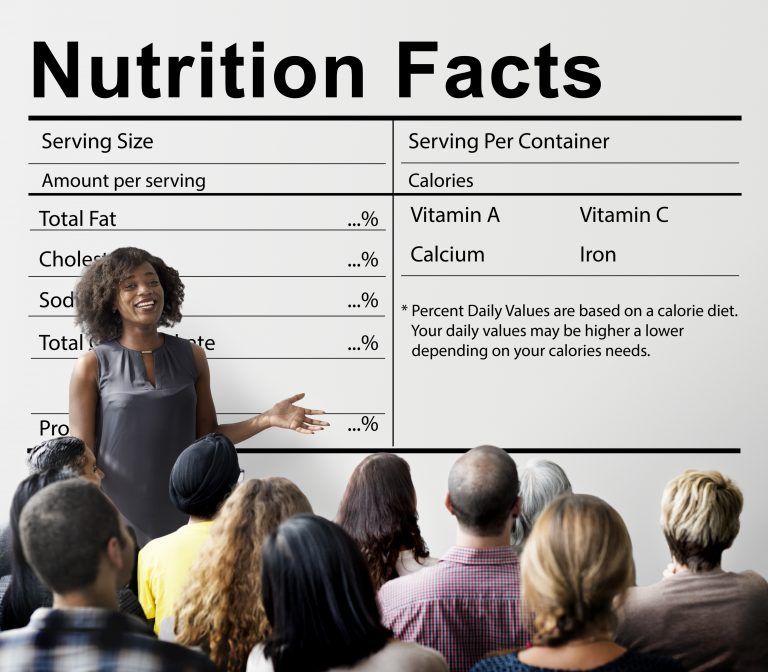
Health educators inform people, groups, and communities about the causes and prevention of health problems, especially those that relate to lifestyle, work, and cultural factors. Health educators help others to improve their health by providing counseling, education, and community organization.
Depending on the area of concentration, health educators implement programs on such topics as pollution, drug abuse, nutrition, diabetes, and pregnancy.
Where could I work?
- Colleges and Universities
- Community Health Centers
- Federal, State, and Local Health Departments
- Hospitals
- Public Health Departments
- Schools
Average Annual Salary
$62,860 per year
What is the future of this career?
Employment of health education specialists is projected to grow 7 percent from 2023 to 2033, faster than the average for all occupations.
About 6,700 openings for health education specialists are projected each year, on average, over the decade. Growth will be driven by efforts to improve health outcomes and to reduce healthcare costs by teaching people healthy behaviors and explaining how to use available healthcare services.
Type of Education/Training
Health educators receive their education through programs at colleges and universities. A 4-year bachelor's degree can be obtained. A master's degree or doctoral degree (PhD) may also be pursued. Many positions require Certified Health Education Specialist (CHES) certification.
Where could I get the education/training?
- Albertus Magnus College
- Eastern Connecticut State University
- Fairfield University
- Goodwin University
- Sacred Heart University
- Southern Connecticut State University
- University of Bridgeport
- University of Connecticut
- University of Saint Joseph
- Western Connecticut State University
Licensing/Certification
Licensure is not required in the state of Connecticut. Certification can be received as a Certified Health Education Specialist (CHES) through the National Commission for Health Education Credentialing, Inc.
More Information
American Public Health Association
800 I Street, NW
Washington, DC 20001
202-777-2742
Society for Public Health Education
1680 Duke Street, Suite 550
Alexandria, VA 22314
202-408-9804