
MEDICAL ENGINEERING
Biomedical Equipment Technician
To be a successful Biomedical Equipment Technician you should...
have a mechanical aptitude and good eye/hand coordination; have critical listening and problem solving skills, especailly in relating information on equipment functioning; be interested in learning to work on new/updated equipment; have the ability to see slight differences in objects, shapes, or pictures; have good interpersonal skills; have the ability to move from place to place easily.
What will my job be like?
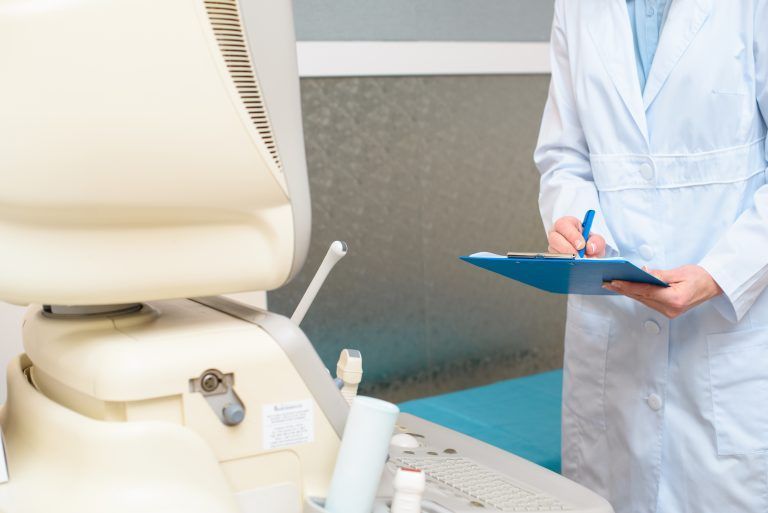
Biomedical equipment technicians (BMETs) specialize in the installation, adjustment, testing, inspection and maintenance of electronic and mechanical equipment used to diagnose and treat diseases. Technicians demonstrate the use of equipment for other medical personnel and propose new equipment purchases or modifications.
Where could I work?
Biomedical equipment technicians are usually supervised by biomedical engineers. They generally work a 5-day 40-hour week. Biomedical equipment technicians work in hospitals, medical centers, clinics, manufacturing sales or service.
Other workplace settings:
- Government Agencies
- Medical Equipment Manufacturers
Average Annual Salary
$60,670 per year
What is the future of this career?
Employment of medical equipment repairers is projected to grow 18 percent from 2023 to 2033, much faster than the average for all occupations.
About 7,300 openings for medical equipment repairers are projected each year, on average, over the decade. Many of those openings are expected to result from the need to replace workers who transfer to different occupations or exit the labor force, such as to retire.
Type of Education/Training
Technicians complete one- to three-year programs leading to associate degrees in biomedical equipment technology, electronics, or an engineering-related field. Four-year bachelor’s degrees are offered by some universities and colleges. Some technicians with electronics education and experience may train on the job.
Where could I get the education/training?
- Quinnipiac University
- University of Connecticut
- University of New Haven
Licensing/Certification
Licensure is not required in the state of Connecticut.
More Information
Association for the Advancement of Medical Instrumentation
901 N. Glebe Road, Suite 300
Arlington, VA 22203
703-525-4890