
ENVIRONMENTAL SCIENCES
Environmental Technician
To be a successful Environmental Technician you should...
have an ability and a strong interest in science; have the ability to follow a problem to conclusion; have the ability to work with a variety of people; have the ability to work with governmental regulations; have the ability to think logically; have the ability to speak and write effectively; have the ability to exercise patience, flexibility and a willingness to work in different locations under a variety of conditions.
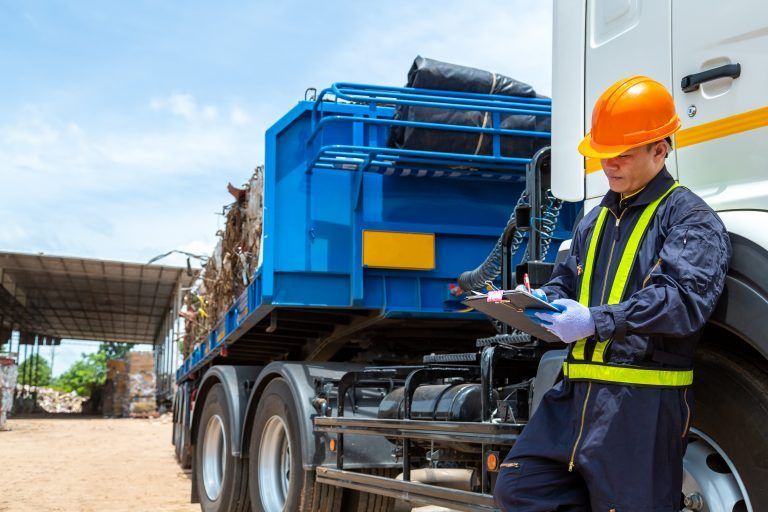
What will my job be like?
Environmental technicians evaluate the economics of recycling and waste disposal options such as incineration, landfilling, and biological degradation. They operate environmental sampling and analysis equipment and understand how such procedures affect the data obtained. They deal with the effects of environmental pollutants and food additives (the prediction of their effects and the efforts to control them).
Where could I work?
Environmental technicians are employed in air pollution control, waste water treatment, hazardous waste remediation, recycling, solid waste management, and other regulatory and forensic areas.
Average Annual Salary
$50,660 per year
What is the future of this career?
Employment of environmental science and protection technicians is projected to grow 7 percent from 2023 to 2033, faster than the average for all occupations.
About 4,100 openings for environmental science and protection technicians are projected each year, on average, over the decade. Many of those openings are expected to result from the need to replace workers who transfer to different occupations or exit the labor force, such as to retire.
Type of Education/Training
Environmental technicians earn an associate degree.
Where could I get the education/training?
- Mitchell College
- Quinnipiac University
Licensing/Certification
Licensure is not required in the state of Connecticut.
More Information
National Environmental Health Association
1400 S. Colorado Blvd., Suite 325
Denver, CO 80222
303-802-2200
Association of Schools & Programs of Public Health
1615 L Street NW
Washington, DC 20036
202-296-1099